


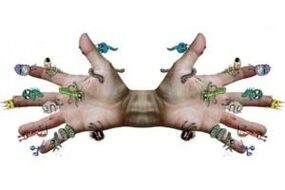
The prevalence of various types of worms is quite high.What are the types of helminths in humans, symptoms and treatment of the disease called helminthiasis?Numerous varieties of parasites manifest themselves differently when they enter the body.
Among the wide variety of signs of helminth infection, disorders of the digestive system, disturbances in the functioning of the nervous system and allergic skin reactions may occur.
It is now reliably known that many diseases, which at first glance are in no way related to infection with parasites, arise due to the fact that a person has been infected with helminths.People can be treated for years for various diseases of the liver, gastrointestinal tract and other pathologies, and have no idea of the real cause of their illness.
Treatment of helminthiasis with medications should be carried out under the supervision of a doctor, taking into account the age, weight of the patient, as well as the type of parasite against which the therapy is directed.
Types of helminths
At the moment, science knows a wide variety of worms, all with different shapes and appearances.Depending on these characteristics, there are several classifications.Based on their habitat in the body, the following types of parasitic worms are distinguished: luminal and tissue.Luminal parasites live in the intestines (small and large), less often in other internal organs of humans and animals.Tissue worms are characterized by the fact that they are usually located in body tissues or subcutaneous fat.
Depending on the method of penetration and spread in the body, parasites are divided into 3 types: contact worms, biohelminths and geohelminths.Biohelminths include worms that, before their full development, change many hosts (these can be fish, insects);at the end of the chain, one person becomes the host.
Geohelminths include parasites whose development is carried out directly, excluding intermediate hosts.Their eggs mature in the soil and infection occurs when they are ingested.The most common are human roundworm, whipworm, intestinal eel and hookworm.
The peculiarity of contact worms is that they are transmitted from one person to another.This includes pinworms and dwarf tapeworms.Pinworms cause a disease called enterobiasis, and dwarf tapeworms cause hymenolepiasis.
How can you get infected with helminths?
Helminth infection can occur in 1 of 4 ways.Geohelminthiasis is a probable infection by parasites through the soil where mature larvae are located, during contact with animals or by transfer of larvae to food by flies.The second method of infection with worms is contact, that is, from person to person.This is how the most common parasites, pinworms, are transmitted.Biohelminths can be contracted by eating contaminated fish or meat that has undergone weak heat treatment.And the last way is the penetration of larvae into the body through insect bites.
The most common route of worm infection is oral, that is, the person simply swallows the worm larvae along with water or food.A large number of helminth eggs fall into the soil, so a person needs to wash their hands thoroughly after any contact with the soil.This is especially true for children who often play in the sand.
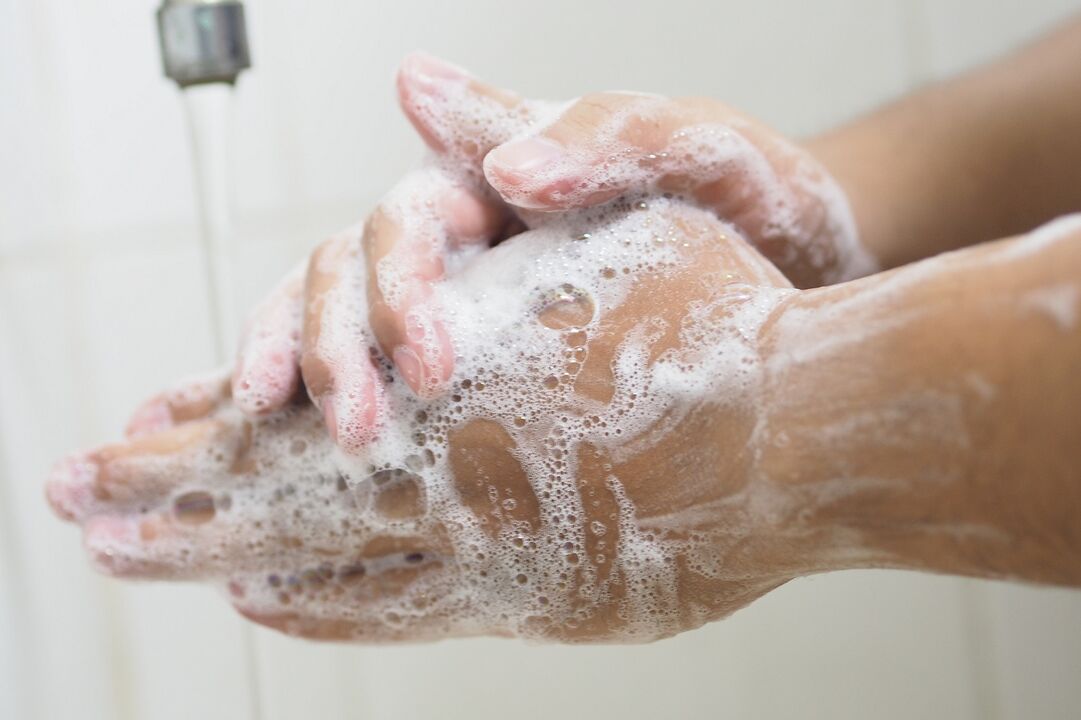
Everything that grows in the soil and is attached to it (vegetables, fruits) must be washed and treated with boiling water before eating.Pets that have free access to the outdoors are a common source of helminthiasis in humans.
The easiest way to get infected with worms is in preschool children.The female deposits more than 5 thousand larvae near the anus, causing severe itching in this area.A child, having scratched an itchy place, infects everything around him with these eggs: bedding, toys, clothes.And then hundreds of moth larvae settle on the hands of everyone who touched these objects, so you can infect all family members.
A large number of helminth larvae are concentrated in open bodies of water, so it is strictly forbidden to swallow water while swimming in them.Well water is also subject to contamination;it must be boiled before use or disinfectant filters must be used.
Signs of helminthiasis
The first symptoms of helminth infection in an adult or child are sudden loss of body weight and itching in the anus.But this is only a small part of the most common symptoms, since there can be much more of them, and sometimes parasites can only be identified through special surveys.Symptoms of worm infection can often include a variety of nervous system disorders and severe general weakness of the body.
During their life cycle, worms produce a large amount of toxins, which manifests itself in severe poisoning in the human body.Patients may experience headaches, nausea, dizziness, possible fever, and sudden joint pain.A person infected with helminths suffers from a lack of vitamins, which, combined with disturbances in the functioning of the nervous system, ultimately leads to a feeling of chronic fatigue, causing severe drowsiness and apathy.

If worms parasitize in the intestines, and not in other organs or tissues of the human body, the first sign of the appearance of worms is a malfunction in the digestive system.The patient may experience diarrhea or constipation, vomiting, severe abdominal pain and nausea.Pain in the right hypochondrium or increased gas formation may occur.The symptoms that appear depend on the type of helminth.General intoxication of the body contributes to a decrease in the immunity of an infected person, which increases the risk of infectious diseases.And since parasites deprive the patient of some of the beneficial substances he needs, the resistance of the human body decreases, which subsequently leads to an exacerbation of existing chronic diseases or various inflammations in the nasopharynx.
Another important and striking symptom of the penetration of parasites into the body is allergic skin reactions.Almost all helminth-infected patients experience deterioration of the dermis.Allergies, in addition to skin rashes, can have other manifestations, including allergic rhinitis, persistent dry cough and asthma.
Treatment of helminthiasis with medications
Parasitic infestation can manifest itself in different ways.What should you do if you notice any symptoms of helminthiasis?First of all, you need to carry out the necessary research and determine exactly what type of worm infection has occurred;the drug therapy prescribed by the doctor will depend on this.Today, many anthelmintic drugs are known.Among them are both drugs active against specific types of parasites and those with a broad spectrum of action.These drugs are highly toxic, so they should be prescribed exclusively by a doctor and only based on test results, after identifying the exact type of helminth that affected the person.The treatment approach for different types of worms is different;Medicines are selected individually for each patient, taking into account the type of parasite, age and body weight of the person.

Preventing the appearance of worms in adults does not require very complex measures.It is necessary to monitor the purity of the water consumed, promptly treat pets, wash vegetables and fruits, and heat treat meat and fish.To prevent the appearance of worms in children attending preschool institutions, it is necessary to carry out prevention at least once a year.
Folk remedies to get rid of parasites
Traditional medicine knows a huge number of recipes for getting rid of parasites.Most often, garlic, pumpkin seeds, tansy flowers, wormwood and walnuts are used for this.One of the most popular and effective recipes for getting rid of worms in folk medicine is the use of pumpkin seeds.It is best to use seeds with the shell and during cleaning, a thin film must be maintained between the seed and the shell.You need to consume the seeds in the morning, 300 g each, you can grind them first.After that, it is recommended not to eat for 4 hours and do an enema.After a few weeks, this procedure can be repeated.
Tansy has a strong anthelmintic effect thanks to thujone and tancithin.Thujone is a substance contained in the essential oil of this plant that has a paralyzing effect on helminths.And tancithin is a component contained in tansy flowers that increases the production of bile and gastric juice.To prepare the medicine you need 1 tbsp.I.Pour a glass of boiling water over the tansy flowers and let it brew for 1 hour.Then strain and drink the resulting infusion three times a day, 1 tablespoon.I.30 minutes before meals.
Another herb, wormwood, is known to be effective in fighting parasites.For treatment, wormwood tincture on alcohol is usually used.It should be taken three times a day, 20 drops 30 minutes before meals.
Garlic, walnut pericarp infusion, onion and nettle have a strong antiparasitic effect.Using recipes for infusions from these plants and vegetables, you can get rid of parasites without resorting to drug treatment.However, before doing this, a mandatory consultation with a doctor is recommended.